Premium Link-Building Services
Explore premium link-building options to boost your online visibility.
Explore premium link-building options to boost your online visibility.
The stillness of a European winter often belies the fierce struggle for survival unfolding across the continent’s vast plains and forests. For majestic raptors—species like the Eastern Imperial Eagle (Aquila heliaca), the Saker Falcon (Falco cherrug), and the various harriers—the cold months bring a profound scarcity of prey. Reduced daylight hours, deep snow cover, and frozen ground dramatically shrink hunting opportunities, pushing these already vulnerable populations to the brink.
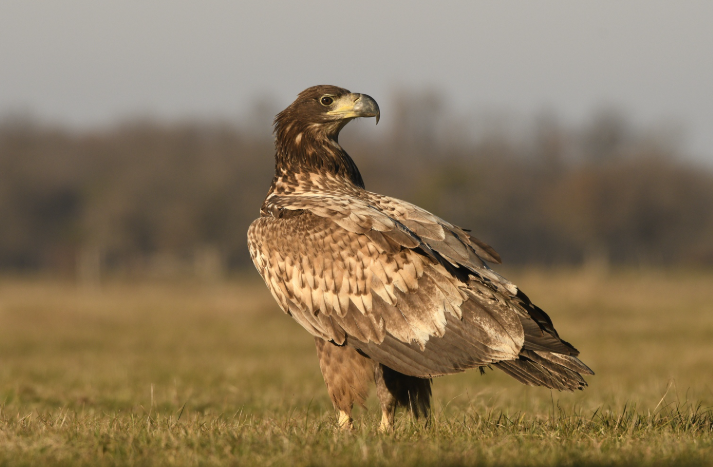
In response, conservation bodies, most notably BirdLife Partners such as the Hungarian Association for Ornithology and Nature Conservation (MME), have developed sophisticated, scientifically-managed winter supplemental feeding programs. These initiatives are not mere acts of charity; they are a critical conservation tool designed to boost winter survival rates, especially for young and threatened birds.
However, the delicate nature of these interventions requires rigorous adherence to ethical guidelines. The partnership between conservation science and ethical ecotourism is essential here, providing the financial and logistical support required, while simultaneously exposing a critical distinction: the difference between genuine, responsible ecotourism and the destructive practices of so-called "cowboy" operators. For Environmental News outlets, NGOs, and global conservationists, this distinction is paramount for safeguarding raptor populations.
Winter is arguably the most challenging period for Northern and Central Europe's raptors. In areas like the Puszta and adjacent agricultural landscapes, the severe weather conditions directly threaten the survival of raptors in multiple ways:
Starvation Risk: Lack of accessible prey significantly increases mortality, particularly among inexperienced juvenile birds.
Increased Conflict: Desperate raptors are more likely to scavenge near human settlements, increasing their risk of electrocution on power lines or, tragically, falling victim to illegal poisoning (often intended for other predators).
Habitat Loss Mitigation: Supplemental feeding can compensate, in a controlled manner, for the cumulative loss of natural hunting grounds due to intensive agriculture and habitat fragmentation.
To address this, MME/BirdLife Hungary manages official "vulture restaurants" or winter feeding stations. These are not open-access sites; they are strategically located in secluded areas, far from human traffic, and stocked with certified, veterinarian-approved meat. The purpose is strictly conservation: to provide a predictable, safe food source that helps the birds weather the leanest months and remain in protected zones.
Ethical ecotourism operators serve as the essential, non-governmental funding backbone for these capital-intensive winter programs. The financial contribution of these responsible tour companies transforms the act of viewing a raptor into an act of conservation support.
Ecotour operators who partner directly with conservation NGOs ensure that a significant, transparent percentage of their tour fees is allocated to the feeding program. This money covers the substantial costs of:
Sourcing and Certification: Purchasing safe, non-toxic meat (often from game or certified sources) and ensuring it meets stringent veterinary standards to prevent the spread of disease.
Infrastructure and Logistics: The maintenance of the feeding sites, which includes high-quality, scientifically designed hides that minimize disturbance, and the year-round logistics of distributing the food.
Research and Monitoring: Crucially, funds support the scientific staff who monitor the health, behaviour, and population response of the raptors to the feeding, ensuring the program's long-term biological viability and ethical compliance.
By bringing visitors to designated, low-impact observation hides, ethical ecotourism transforms the conservation effort into an inspiring educational experience. Tourists are not just spectators; they become informed advocates, learning about the complex ecological balance and the threats posed by poisoning and habitat destruction. This creates political and public pressure to support stronger conservation laws.
The fundamental difference between a responsible ecotour and a "cowboy" operator lies in their approach to the three core pillars of wildlife feeding ethics: Control, Conservation Effect, and Animal Welfare.
Ethical operators adhere to a strict code of conduct established in collaboration with BirdLife partners and park authorities. Their framework is centred on sustainability and minimal impact:
PrincipleEthical Ecotourism StandardConservation ImpactControl & LocationObserves strictly controlled, pre-approved feeding sites (maintained by NGOs), often using sunken, low-profile hides that prevent the birds from associating humans with food.Maintains the raptors' natural wariness of humans and ensures their behaviour is not permanently altered, preserving wild characteristics.Schedule & IntegrityAccess is strictly timed and limited to minimize presence. Operators never interfere with the feeding process, arrival, or departure of the birds. They adhere to the scientifically set feeding schedule.Ensures the supplemental feeding remains supplemental, not dependency-forming, encouraging the raptors to continue hunting their own prey.Group Size & DisturbanceSmall group sizes (often 4-8 people) and strict silence rules inside state-of-the-art hides, ensuring the birds display natural behaviour.Minimises stress and energy expenditure for the raptors, preventing habituation, which can make them vulnerable to illegal activities.Financial TransparencyProvides clear, traceable financial contributions directly funding the feeding program’s operational and research costs.Ensures the tourism benefit is measurable and directly responsible for the program's ongoing existence.EducationGuides are highly trained, often ornithologists, who interpret the conservation significance of the activity, not just the spectacle.Converts tourists into informed participants and financial supporters of the long-term conservation mission.
The 'cowboy' operation, driven solely by the pursuit of high-volume, low-cost profit, flagrantly violates these ethical pillars, creating significant risk to the very raptors they claim to showcase.
Disrupting the Conservation Effort: They often use their own, unapproved, and often poorly-sourced food to lure raptors to non-designated areas. This act subverts the MME’s carefully controlled feeding regimen, creating fragmented, dangerous feeding areas.
Encouraging Unnatural Dependency and Habituation: They may feed close to roads or settlements for easy access and "close-up" photos. This encourages the birds to lose their natural fear of humans, a critical error that drastically increases their vulnerability to deliberate harm (poisoning, shooting) or accidental death (traffic collision).
Ecological Disturbance: They may approach raptors directly, drive off-road to position cameras, or use large groups, causing the birds to flush, wasting precious energy reserves critical for survival in winter. This short-term photographic gain comes at the direct expense of the raptor’s welfare.
Financial Leakage: Their profits rarely, if ever, flow back to the local conservation groups or the official feeding programs, making their activity a net drain on the conservation resource, utilizing the presence of protected wildlife without contributing to its protection.
For BirdLife Partners and global conservation NGOs, the distinction between these two models is essential for effective communication and regulatory advocacy. Promoting ethical operators is a powerful tool for SEO (keresőoptimalizálás), encouraging responsible travelers to choose partners who prioritize the raptors' survival over a spectacular photograph.
The long-term success of the winter feeding programs depends on the sustained support provided by ethical ecotourism. These partnerships enable data collection on raptor dispersal, winter diet, and survival rates, transforming the feeding stations from simple aid posts into open-air research laboratories.
In the face of intensifying climate change and habitat threats, the ethical partnership between conservationists and responsible ecotourism stands as a vital defense mechanism. It ensures that the fascination with these magnificent birds directly translates into tangible action and resources, securing their future. We urge travelers and conservation stakeholders alike to strictly vet their operators, choosing only those whose ethical framework guarantees that the winter viewing experience protects the very birds they travel to admire.
The survival of the Imperial Eagle and the Saker Falcon through the harsh winter depends not just on the food provided, but on the ethical integrity of those who seek to observe them.
Explore premium link-building options to boost your online visibility.