
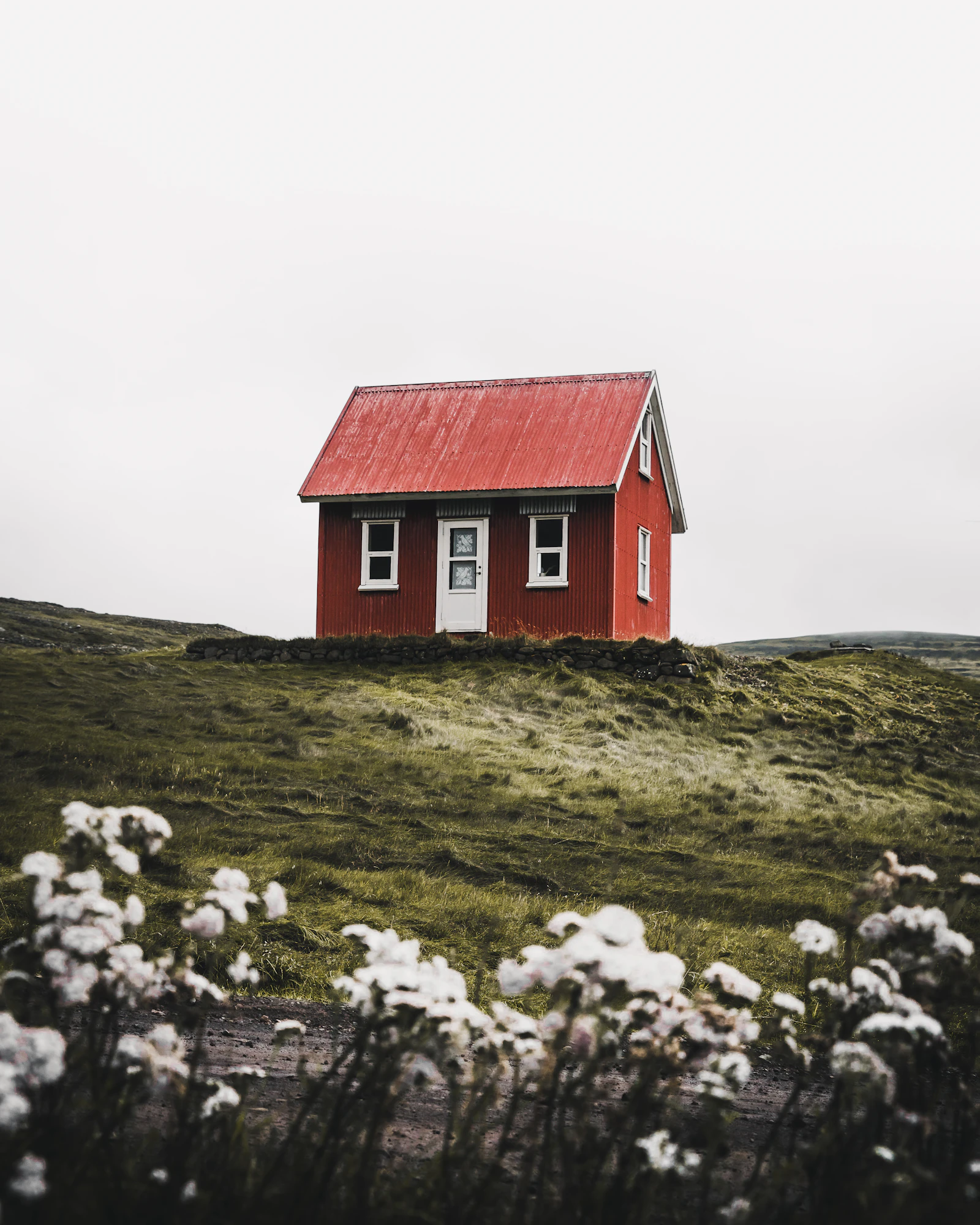
For decades, building a home meant pouring concrete, stacking brick and resigning yourself to months of dust. That orthodoxy is quietly dissolving. Across Europe — and increasingly in Hungary — homeowners are discovering that könnyűszerkezetes fa házak deliver warmth, speed and a featherlight footprint without sacrificing the soul of a real house.
The appeal begins with the material itself. Timber is renewable, forgiving and astonishingly efficient as a structural skin. A well-engineered panel of könnyű fa házak can be raised in a fraction of the time a masonry build demands, with insulation values that traditional walls struggle to match. What was once a niche curiosity has become a credible mainstream alternative.
01 — The MaterialWhy lightweight, and why now
The phrase "lightweight" can mislead. It refers to the structural system, not the experience of living inside one. The discipline of lightweight house construction hangs precision-cut frames, breathable membranes and dense insulation into a single coherent envelope. The result feels solid underfoot and serene to the ear.
Much of that performance comes down to the components. Carefully milled light wood elements — the Hungarian craftspeople call them világos fa elemek — arrive on site pre-measured, drastically cutting waste and weather delays. Assembly becomes choreography rather than improvisation.
"A house should be light on the land and heavy on meaning."
02 — The CraftFrom catalogue home to bespoke retreat
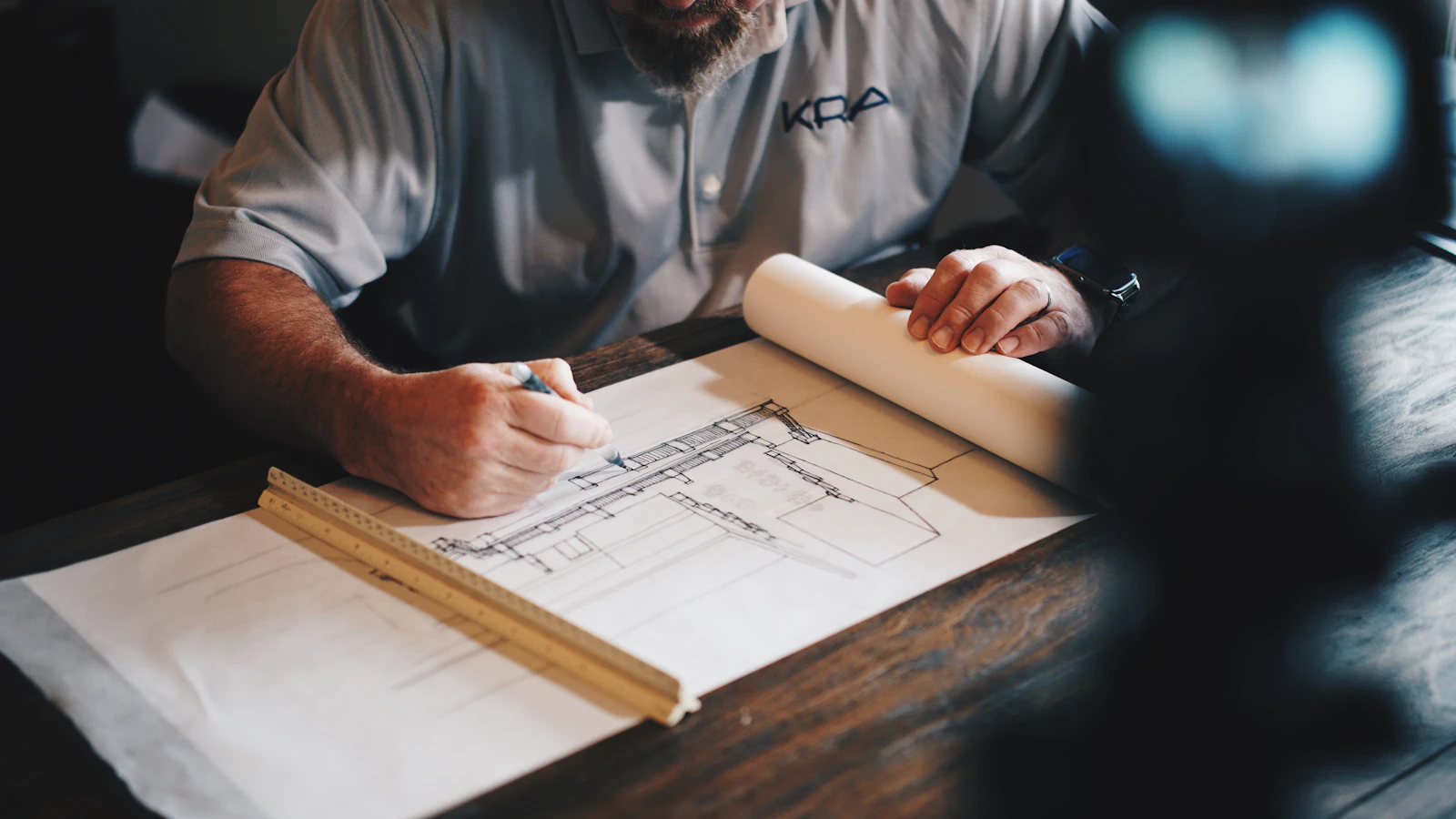
No two families live the same way, and the best builders know it. Alongside curated standard models, the studio behind these projects offers custom light wood homes tailored to a plot, a budget and a way of life. In Hungarian, that bespoke service lives under egyedi könnyű fa házak — one-of-a-kind dwellings drawn around the people who'll inhabit them.
For those who would rather choose than design, the path is refreshingly direct. The guide to könnyűszerkezetes házak vásárlás walks first-time buyers through specification, permitting and delivery, demystifying a process that once felt reserved for developers.
03 — The Small-Footprint MovementTiny homes, generous lives
If lightweight construction has a poster child, it is the tiny home. The aesthetics and engineering of apróházak építészet prove that square metres matter far less than how thoughtfully they're arranged. A clever wooden tiny home can hold a full life within a frame you could tow behind a truck.
The movement isn't only about size — it's about ethics. Compact dwellings designed as sustainable tiny homes sip energy, sit lightly on their sites, and ask less of the planet at every stage. The Hungarian framing, apróházak fenntarthatóság, captures the same instinct: live well, take less.
And comfort scales beautifully downward. The case study behind small home, big comfort — known to Hungarian readers as kis otthon, nagy kényelem — shows how underfloor heating, smart storage and high ceilings turn modest dimensions into genuine luxury.

04 — The ConscienceBuilding for the next hundred years
Sustainability is no longer a brochure adjective; it is the whole proposition. A frank accounting of the benefits of lightweight homes — lower embodied carbon, faster builds, slimmer energy bills — reads less like marketing and more like common sense for a warming world.
That conviction runs deeper than any single house. The vision laid out in the sustainable housing future, mirrored in the Hungarian fenntartható lakhatás, imagines neighbourhoods built from renewable timber rather than extracted stone. The studio's broader sustainability commitments turn that ambition into measurable practice.
It begins with what goes into the walls. A primer on eco-friendly building materials — and its Hungarian companion on környezetbarát építőanyagok — makes clear that a low-impact home is the sum of hundreds of small, deliberate choices.
"The greenest house is the one built once, built well, and built to last."
05 — The ProofWork, words and where to begin
Talk is cheap; finished homes are not. The studio's portfolio documents delivered projects in unflinching detail, while the curated our homes line-up shows what's available today. Those weighing a commission can review the full slate of services, from first sketch to final handover.
Perhaps the most persuasive evidence comes from the people who already live in one. The collected testimonials trade glossy renders for lived experience — winters spent warm, bills kept low, and the unhurried pleasure of a house that simply works.
For readers who want to go deeper, the ongoing editorial journal is the place to linger. Start with the featured essay, then follow the thread through part one, part two and part three of the series — a slow, satisfying read on how light timber is rebuilding the idea of home.
The revolution, it turns out, doesn't arrive with a wrecking ball. It arrives quietly, on a flatbed truck, in neatly stacked panels of honest wood — and it begins the moment you decide your next home should weigh a little less on the world.